
Packaging resources · UK brands
Guides for choosing custom packaging
Clear, practical answers for the decisions that shape your box: structure, materials, quantity, artwork, timing and the right supplier questions.
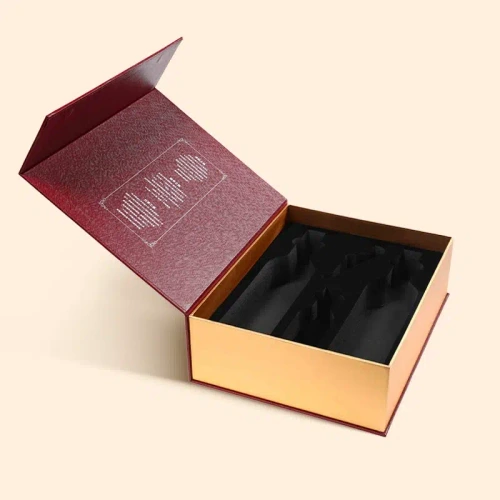
The UK custom packaging buyer’s guide
Compare structures, board, print, finishes, quantities and supplier questions before you approve a specification.
Read the guide
Mailer box vs folding carton
Understand the practical difference between mailer boxes and folding cartons for shipping, presentation and storage.
Read the guide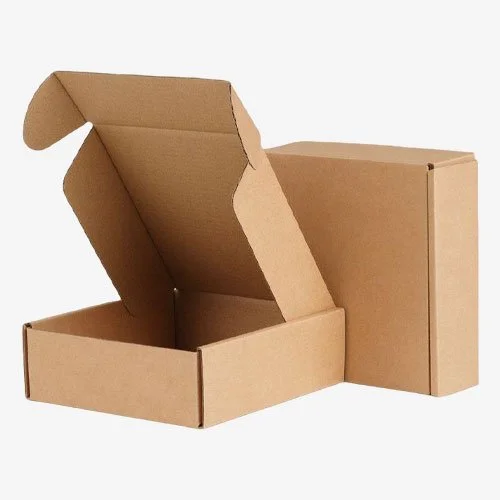
How to measure a product for packaging
Measure length, width, height and packed clearance so your first quote starts with useful information.
Read the guide
MOQ: 100 vs 500 boxes
Compare demand, storage, cash flow and packaging risk before choosing a practical first-run quantity.
Read the guide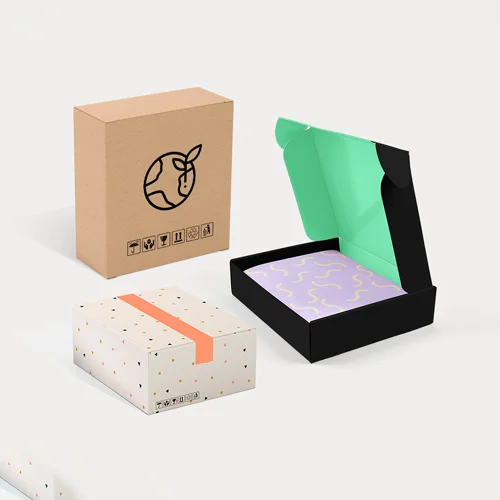
Artwork and dieline checklist
Check panels, safe zones, folds, copy, colours and file preparation before approving your packaging artwork.
Read the guide
Kraft vs white board
See how kraft and white board affect colour, texture, print reproduction and the feel of your finished box.
Read the guide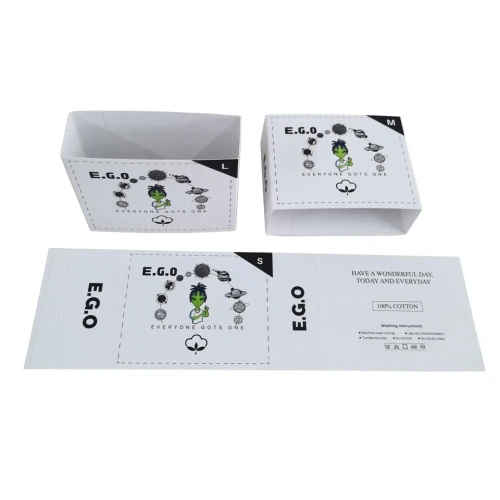
How long does custom packaging take?
Plan the briefing, artwork, proof approval, production and delivery stages around your target date.
Read the guide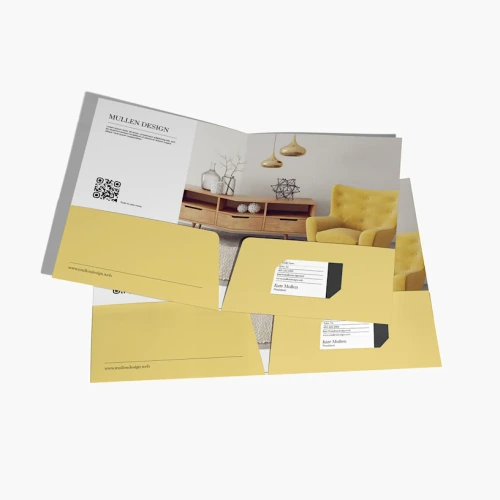
How to compare packaging suppliers
Use the right questions to compare quotes, samples, artwork support, production planning and delivery.
Read the guideBrowse by topic
More packaging guides
Packaging by industry and business type
- Packaging for Beauty Brands
Beauty packaging has to protect the product, present well on a shelf and arrive looking considered. Start with the product dimensions, closure and finish rather than choosing a box because it looks good in a photograph.
- Packaging for Food Businesses
Food packaging needs to balance presentation, protection and the requirements of the product. The right starting point depends on whether the box is for retail display, takeaway, gift sets or shipping.
- Packaging for Candle Brands
Candle packaging should protect glass or ceramic vessels while making the unboxing feel intentional. The safest choice is usually the structure that holds the product securely without creating unnecessary empty space.
- Packaging for Supplement Brands
Supplement packaging often needs to work across a product range, so consistency and accurate information matter as much as the first impression. Start with one approved structure and build the range around it where possible.
- Packaging for E-commerce Brands
E-commerce packaging has to survive the delivery network while making the first opening feel deliberate. The best specification balances protection, storage, packing speed and the cost of sending air.
- Packaging for Subscription Boxes
Subscription packaging needs to be repeatable. It should fit the changing monthly contents, assemble efficiently and create a recognisable experience without making fulfilment harder than it needs to be.
- Packaging for Small Businesses
A first packaging run does not need to start with a large catalogue of sizes and finishes. A clear brief, a workable quantity and one well-chosen structure are usually more useful.
- Packaging for Shopify Brands
A Shopify order may be packed by a founder, a small team or a fulfilment partner. Packaging should fit the product, the warehouse routine and the way the customer experiences delivery.
- Packaging for Candle Startups
A candle launch often needs packaging that looks distinctive without making the first production run unnecessarily complicated. Start with the vessel, the route to customer and the quantity you can store.
- Packaging for Cosmetic Launches
A cosmetic launch benefits from a packaging system that can look consistent across sizes while still protecting the product. Make the first structure and proofing process manageable before expanding the range.
- Apparel Packaging: Boxes, Tissue and Swing Tags
Apparel packaging can include a shipping box, a retail presentation box, tissue and a swing tag. Choose each part for the sales channel and garment rather than adding accessories that do not help the customer or the packing team.
- Bottle and Jar Packaging: Fit, Presentation and Transit
Bottle and jar packaging needs to account for the filled container, cap or lid, label, product weight and route to the customer. Decide whether the outer pack is for retail, gifting, shipping or a combination before selecting its structure.
- Packaging for small UK brands
Plan a packaging brief around your product, quantity and delivery needs.
Box formats and shipping protection
- Folding Carton vs Rigid Box
A folding carton and a rigid box create different experiences and have different storage and cost implications. The right choice depends on presentation, protection and the role of the packaging after delivery.
- How to Choose Corrugated Box Strength for Shipping
The right corrugated box depends on the packed product, its weight, the journey and how the parcel will be stored or handled. There is no single board grade that suits every shipment, so share the real packing conditions before choosing a specification.
- Packaging Inserts and Dividers for Fragile Products
An insert or divider can separate products, control movement and make a multi-item pack easier to present. The right layout starts with the items as they will be packed, then is checked inside the finished outer box.
- Retail-Ready Packaging: Plan the Shelf and the Pack
Retail-ready packaging has to work for the product, the shelf and the people receiving and replenishing it. Ask the retailer or buyer for the current requirements before choosing a display box or planning its opening features.
- Packaging Multi-Item Gift Sets and Product Bundles
A multi-item gift set needs a clear layout, a secure fit and an opening experience that works for every item in the bundle. Plan the inside of the pack before choosing its outer box or printed finishing details.
- Eco shipping boxes
Compare protective box formats and practical shipping considerations.
- Custom gift boxes
Explore presentation-led box formats and details for gift packaging.
Materials, recycling and compliance
- Matte vs Gloss Coating
Matte and gloss change the way printed packaging looks and feels. The best choice depends on the brand, the product and how the pack will be handled.
- UK Packaging EPR: What Small Brands Should Check
Extended producer responsibility (EPR) can apply to organisations that supply packaging or packaged goods in the UK. Whether a business has duties depends on its activities and current thresholds, not only on whether it buys boxes. Use the official checker before making assumptions.
- Recycling Labels and Environmental Claims on Packaging
Recycling labels and environmental claims need to describe the packaging accurately. A box, coating, window, closure and inner wrap may not all have the same end-of-life route, so avoid broad claims until the complete specification and the relevant guidance have been checked.
- Food-Contact Packaging: Paper and Board Questions to Check
Paper and board used around food must be chosen for the intended application, not by appearance alone. Before selecting printed tissue, wax paper, greaseproof paper or a food box, confirm the exact material and conditions of use with the supplier and check current Food Standards Agency guidance.
- Tissue vs Wax vs Butter Paper: How to Choose a Printed Wrap
Tissue, wax paper and butter or greaseproof paper are different packaging choices. Start with the product and intended use, then confirm the exact material, print and food-contact suitability where relevant.
- Recycled packaging in the UK
Review material questions to ask for the specific packaging option.
- Recycled vs FSC cardboard
Compare the material specification and claims for the option you are considering.
Planning and ordering
- Soft-touch vs Matte
Soft-touch and matte are often compared because both reduce shine, but they create different tactile impressions and should be selected for the product experience you want.
- How Much Does Custom Packaging Cost in the UK?
There is no responsible single price for custom packaging without knowing the structure, size, board, print, finish, quantity and delivery requirements. A useful quote starts with those details.
- Packaging sizes guide
Use product dimensions and clearance to plan a suitable box size.