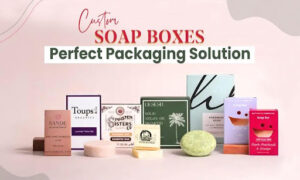
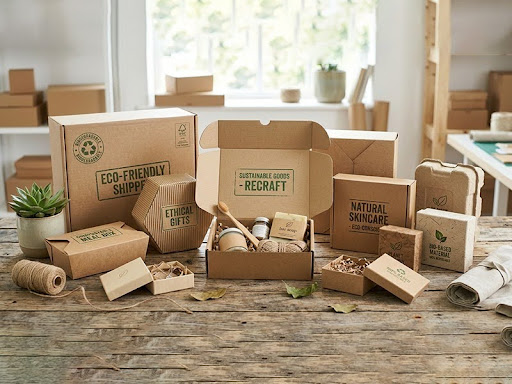
Introduction
The need for sustainable business practices is clear, especially in printing and packaging.
Sustainable companies aim for zero manufacturing waste, lower carbon emissions, and packaging that uses fewer raw materials while improving reuse and recycling.
These efforts help you meet your own sustainability goals. Sustainable packaging is one of the most direct ways to reduce impact and stand out.
This guide explains sustainable packaging, clears up recycling myths, and shows how to use better materials and practices while appealing to eco-conscious customers.
Use it to take your next step.
What Is Sustainable Packaging?
Sustainable packaging does its job while using fewer resources, responsibly sourced materials, and designs that support reuse and recycling.
Sustainability is now central to printing and packaging. Major brands especially in health, beauty, food and beverage are cutting plastic use and increasing recycled content.
To improve your packaging, look beyond materials. Consider what happens after use and the energy required to produce it.
Start with clear internal goals. Then work with experienced packaging manufacturers to explore options and put a practical plan in place.
Advantages of Sustainable Packaging
Sustainable packaging solves more than just environmental issues. It also cuts costs and strengthens your brand.
Right-size packaging saves money.
Using excess material increases printing, material, and shipping costs. Heavier packages cost more to move. Extra space means you’re paying to ship air. Right-sizing fixes all of this.
Small waste adds up fast. A little extra material per product becomes a major cost at scale. Even an extra ounce can raise transport expenses.
Lower your carbon footprint.
Sustainable packaging helps reduce emissions across production and shipping. Use fewer plastics. Cut reliance on fossil fuels. Optimize how goods are transported.
If you use paper, make sure it’s responsibly sourced. Look for certifications from groups like Forest Stewardship Council, Sustainable Forest Initiative, or Programme for the Endorsement of Forest Certification.
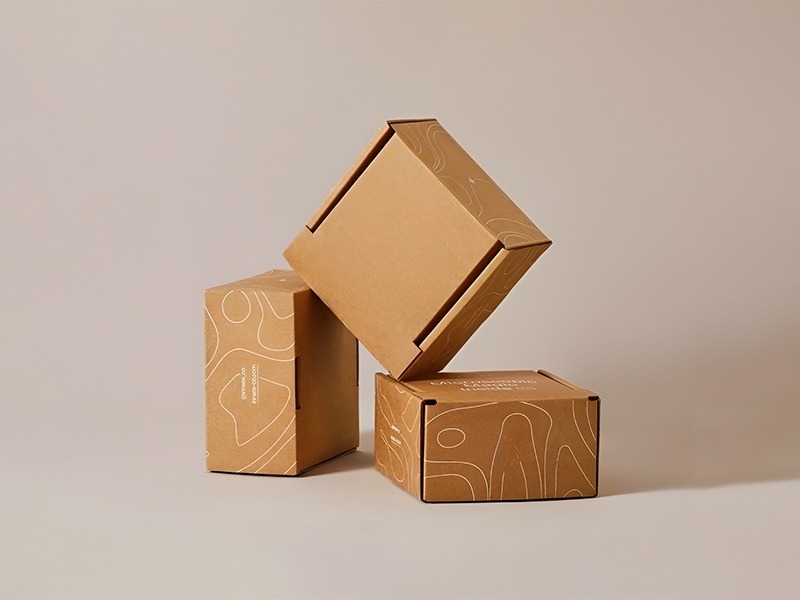
Use safer materials.
Many sustainable options contain fewer harmful chemicals than plastics. Biodegradable materials break down into natural matter instead of sitting in landfills.
Alternatives like sugarcane-based paperboard reduce reliance on plastic.
Win over eco-conscious customers.
Customers care about sustainability and will pay more for it. Brands that act early earn more trust. Those that delay look less genuine.
Switching to sustainable packaging improves how people see your brand and gives them a reason to choose you.
Recycling Packaging: Common Myths
There’s a lot of confusion about what packaging can be recycled. Let’s clear up a few common myths.
Myth #1: Printed paper with UV inks can’t be recycled.
It can. These materials are often recycled into lower-grade products like corrugated packaging or building materials. With proper deinking processes, they can also be turned into pulp for tissue and even fine paper.
Myth #2: Paper with hot stamping or cold foil isn’t recyclable.
Not true. These finishes don’t stop recycling. With the right facilities, they can still be processed into pulp for reuse.
Myth #3: Windowed cartons can’t be recycled.
They can, depending on local programs. These cartons are often broken down into lower-grade paper or building materials. Using cellulose-based windows makes them even more sustainable, as these are compostable and biodegradable.
Myth #4: Most paper ends up in landfills.
It doesn’t. About two-thirds of paper and paperboard in the U.S. is recycled, one of the highest rates among materials.
These points make recycling clearer. Next, it helps to understand what consumers actually look for in eco-friendly packaging.
Sustainable Packaging Types
If you’re stuck on options, start here.
Use paper from well-managed forests. Look for FSC, SFI, or PEFC certification. These cover both virgin and recycled fiber across many paperboard grades.
Choose 100% recycled paperboard made from pre- and post-consumer waste. It’s not just packaging boxes, you can get clean, bright white boards for premium soap packaging.
Try tree-free paperboard made from alternative pulp like bagasse, a byproduct of sugarcane.
Use TMP (thermo-mechanical pulp) multilayer paperboard for print-heavy jobs. It has a kraft surface with strong ink holdout.
Ask your supplier about vegetable-oil inks and water-based coatings. They’re widely used and reduce impact.
For window cutouts, use cellulose acetate that’s certified compostable and petroleum-free.
Pick a metalized paperboard that skips plastic film. It recycles with standard paper.
Want more detail on paperboard grades? Keep reading.
Choosing the Right Paperboard Grades
You have many sustainable paperboard options. The right choice depends on use, durability, print needs, and sustainability goals.
Here are the main grades you’ll find.
Solid Bleached Sulfate (SBS)
SBS is made from virgin hardwood and clay coated. It has a smooth, bright white surface throughout.
It runs well on offset, flexo, and gravure. Converting is easy cutting and gluing are clean and reliable.
Use it for premium packaging like cosmetics, pharmaceuticals, cigarettes, and food. It’s often polyethylene-coated for frozen food.
Solid Unbleached Sulfate (SUS)
SUS is mostly virgin fiber (at least 79%) with some recycled content. It has a white front and natural brown back.
It prints well and converts easily. More importantly, it’s the most durable option here.
Use it for heavy-duty packaging like beverage carriers, hardware, and detergents. It’s coated for wet strength.
Uncoated Unbleached Kraft (UUK)
UUK is uncoated and mostly virgin fiber. Both sides have a natural look.
It’s less smooth but still works for offset and flexo. Converting is solid.
It offers high strength and a raw, industrial feel. Use it for heavy-duty packaging where looks and toughness both matter.
Coated Recycled Board (CRB)
CRB is made from 100% recycled fiber. It has a white coated front and grey back.
Print quality varies but works for offset and flexo. Converting is decent, not great.
Use it for folding cartons like cereal boxes, dry food packaging, and shoe boxes. Best for low to moderate durability needs.
Uncoated Recycled Board (URB)
URB is also 100% recycled but uncoated. It has a grey or tan look on both sides.
It’s less smooth but still printable. Converting is adequate.
Use it for eco friendly boxes and partitions where a natural, recycled look matters more than strength.
Folding Boxboard (FBB)
FBB has a layered build with a coated top and low density core. It usually looks slightly yellow.
It prints across all major methods. Its key strength is folding it creases cleanly.
Use it for lightweight packaging like cosmetics, frozen food, and pharma. It’s not built for heavy loads.
You’ve got options. The real task is choosing the grade that fits your product, your brand, and your sustainability goals.
Designing for Sustainable Results
Building sustainable packaging starts with the right partner. Work with a printer who understands eco goals and can turn them into practical designs.
Define your goals.
Be clear about what you want to achieve. This could mean using less material, improving recyclability, or choosing responsibly sourced inputs. If you’re unsure, a good partner will help you set these goals.
Get the structure right.
Smart design reduces waste. Right-sized packaging uses less material, ships better, and is easier to recycle or reuse. It should also look good and stand out on the shelf.
Choose better materials.
Work with partners who offer strong material options. Look for certified sources from SFI, PEFC, and FSC.
Also review inks, coatings, and finishes. Some limit recyclability, so choose carefully.
Measure what matters.
Track the impact of your packaging. A solid partner can compare materials and designs to show what actually reduces waste. Some also support clean energy through programs like EPA Green Power Partner.
Go Green with Us
Sustainability is no longer optional. Customers expect it.
Yes, the choices can feel overwhelming. Materials, design, shipping it adds up fast.
But with the right sustainable packaging provider, you don’t have to figure it out alone. You make better decisions, move faster, and build a brand that’s ready for what customers expect.